
Revolutionising Industries with Intelligent Automation and Robotics

Updated: Jul 17, 2025
In today's fast-paced world, industries are constantly evolving. The rise of intelligent automation and robotics is transforming how businesses operate. This technology is not just a trend; it is a revolution that is reshaping the landscape of various sectors. From manufacturing to healthcare, intelligent automation is enhancing efficiency, reducing costs, and improving service delivery.
As we explore this topic, we will look at how intelligent automation and robotics are making waves across different industries. We will also discuss the benefits, challenges, and future prospects of this technology.
Understanding Intelligent Automation and Robotics
Intelligent automation combines artificial intelligence (AI) with automation technologies. This blend allows machines to perform tasks that typically require human intelligence. Robotics, on the other hand, involves the design and use of robots to carry out specific tasks. Together, these technologies are changing the way we work.
Key Components of Intelligent Automation
Artificial Intelligence: AI enables machines to learn from data and make decisions. This capability is crucial for tasks that require adaptability and problem-solving.
Machine Learning: A subset of AI, machine learning allows systems to improve their performance over time. It learns from past experiences and adjusts accordingly.
Robotic Process Automation (RPA): RPA automates repetitive tasks. It is particularly useful for data entry, processing transactions, and managing records.
Natural Language Processing (NLP): NLP allows machines to understand and respond to human language. This technology is essential for chatbots and virtual assistants.
The Role of Robotics in Automation
Robotics plays a significant role in automation. Robots can perform physical tasks with precision and speed. They are used in various industries, including manufacturing, logistics, and healthcare.
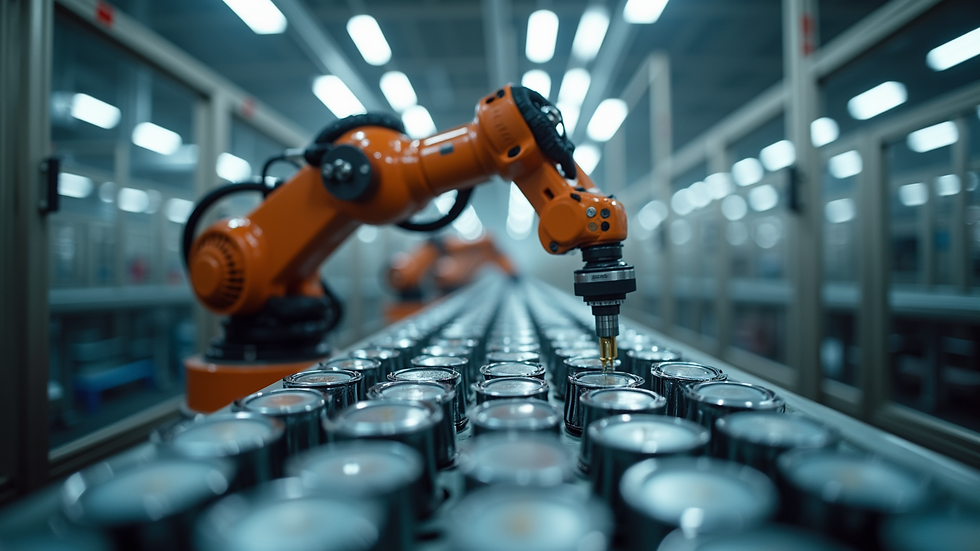
For example, in manufacturing, robots assemble products on production lines. They can work tirelessly, reducing the time it takes to produce goods. In logistics, robots help with inventory management and order fulfillment. In healthcare, robotic systems assist in surgeries and patient care.
Impact on Manufacturing
The manufacturing sector has seen some of the most significant changes due to intelligent automation and robotics.
Increased Efficiency
Robots can work around the clock without breaks. This capability leads to increased production rates and reduced lead times. For instance, automotive manufacturers use robots for welding and painting. This automation speeds up the production process and ensures consistent quality.
Cost Reduction
By automating tasks, companies can reduce labor costs. Robots can perform tasks that would otherwise require multiple workers. This reduction in workforce can lead to significant savings.
Enhanced Quality Control
Intelligent automation improves quality control. Machines can detect defects in products faster than humans. This capability ensures that only high-quality products reach consumers.
Transforming Healthcare
The healthcare industry is also benefiting from intelligent automation and robotics.
Improved Patient Care
Robots assist in surgeries, providing precision that enhances patient outcomes. For example, robotic surgical systems allow surgeons to perform minimally invasive procedures. This technology reduces recovery times and improves patient safety.
Streamlined Administrative Tasks
Healthcare facilities often struggle with administrative tasks. Intelligent automation can streamline processes like scheduling, billing, and record-keeping. This efficiency allows healthcare professionals to focus more on patient care.
Enhanced Diagnostics
AI-powered systems can analyse medical data quickly. They can assist in diagnosing diseases by identifying patterns in patient data. This capability leads to faster and more accurate diagnoses.
Revolutionising Logistics
The logistics industry is undergoing a transformation thanks to intelligent automation and robotics.
Efficient Supply Chain Management
Automation helps manage supply chains more effectively. Robots can handle inventory management, reducing human error. This efficiency leads to better stock control and faster order fulfillment.
Last-Mile Delivery
Robots and drones are being used for last-mile delivery. These technologies can navigate urban environments, delivering packages quickly and efficiently. This innovation is changing how consumers receive goods.
Cost Savings
By automating logistics processes, companies can save on labor costs. Robots can perform tasks like sorting and packing, which reduces the need for manual labor.
Challenges of Intelligent Automation
While the benefits of intelligent automation and robotics are clear, there are challenges to consider.
Job Displacement
One of the most significant concerns is job displacement. As machines take over tasks, some jobs may become obsolete. It is essential for companies to address this issue by reskilling employees for new roles.
High Initial Costs
Implementing intelligent automation can be expensive. The initial investment in technology and training can be a barrier for some businesses. However, the long-term savings often outweigh these costs.
Security Risks
As industries become more automated, they also become more vulnerable to cyber threats. Companies must invest in cybersecurity measures to protect their systems and data.
The Future of Intelligent Automation and Robotics
The future of intelligent automation and robotics looks promising. As technology continues to advance, we can expect even more innovations.
Integration with IoT
The Internet of Things (IoT) will play a crucial role in the future of automation. By connecting devices and systems, businesses can gather data and make informed decisions. This integration will enhance efficiency and productivity.
Greater Collaboration Between Humans and Machines
The future will likely see more collaboration between humans and machines. Rather than replacing workers, robots will assist them. This partnership can lead to improved outcomes in various industries.
Continuous Learning and Adaptation
As AI and machine learning evolve, systems will become more capable of learning and adapting. This continuous improvement will enhance the effectiveness of automation and robotics.
Real-World Examples of Intelligent Automation
To illustrate the impact of intelligent automation and robotics, let’s look at some real-world examples.
Amazon
Amazon is a leader in logistics automation. The company uses robots in its warehouses to pick and pack items. This automation has significantly increased efficiency and reduced delivery times.
Tesla
Tesla employs robots in its manufacturing process. These machines assist in assembling vehicles, ensuring high quality and speed. The use of robotics has helped Tesla scale production rapidly.
Siemens
Siemens has integrated intelligent automation in its manufacturing plants. The company uses AI to optimise production processes, leading to reduced waste and improved efficiency.
Embracing the Change
As industries continue to embrace intelligent automation and robotics, it is essential to stay informed. Understanding the benefits and challenges of this technology can help businesses make informed decisions.
Preparing for the Future
Companies should invest in training and reskilling their workforce. This preparation will ensure that employees are equipped to work alongside machines.
Staying Ahead of the Curve
Businesses must keep an eye on technological advancements. Staying updated on trends in intelligent automation and robotics can provide a competitive edge.
Fostering Innovation
Encouraging a culture of innovation within organisations can lead to new ideas and solutions. Embracing change and being open to new technologies will drive success in the future.
The Road Ahead
The journey of intelligent automation and robotics is just beginning. As we move forward, the potential for innovation is limitless. By understanding and embracing these technologies, industries can revolutionise their operations and improve outcomes for everyone involved.
In this era of rapid change, the key to success lies in adaptability. By leveraging intelligent automation and robotics, businesses can not only survive but thrive in the competitive landscape. The future is bright, and the possibilities are endless.
Let’s connect — at Sin Iron, we turn possibilities into automated realities.


Comments